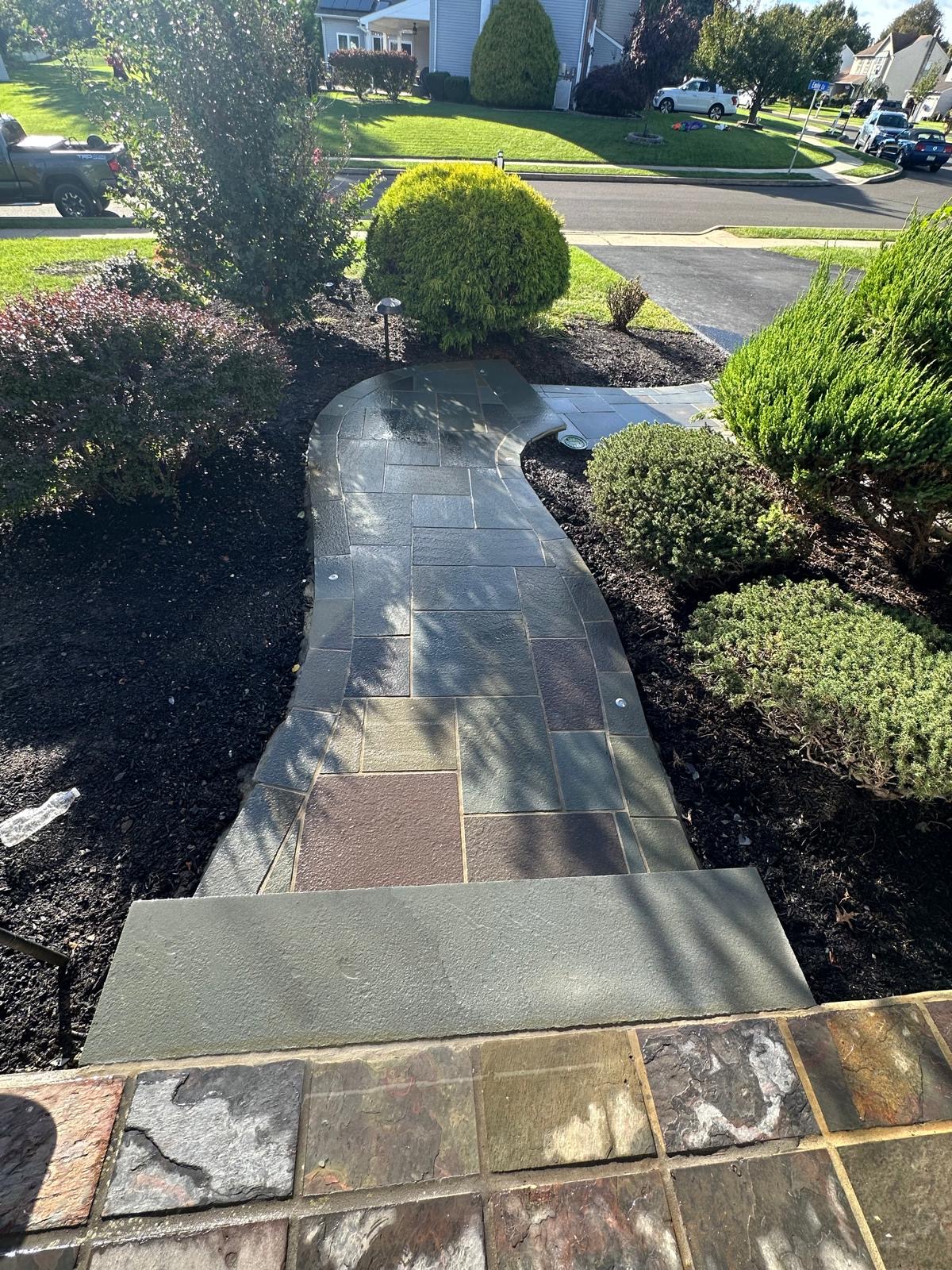
Sidewalk and Patios Hardscaping Guide: Cleaning, Repairs & Sealing Tips
Posted on February 28th, 2026
Over time, patios are exposed to harsh weather, heavy foot traffic, moisture, and stains. Whether your patio is concrete, pavers, or natural stone, proper sidewalk and patios hardscaping can bring it back to life and extend its lifespan. Regular maintenance not only improves appearance but also prevents costly structural damage.
In this guide, we’ll cover everything you need to know about patio cleaning, repairing cracks, and sealing your patio for long-term protection.
Why Sidewalk and Patios Hardscaping Is Important
Ignoring patio damage can lead to:
Deep cracks and structural issues
Permanent staining
Weed growth between pavers
Water penetration and erosion
Reduced curb appeal
Professional sidewalk and patios hardscaping improves safety, enhances aesthetics, and protects your outdoor investment.
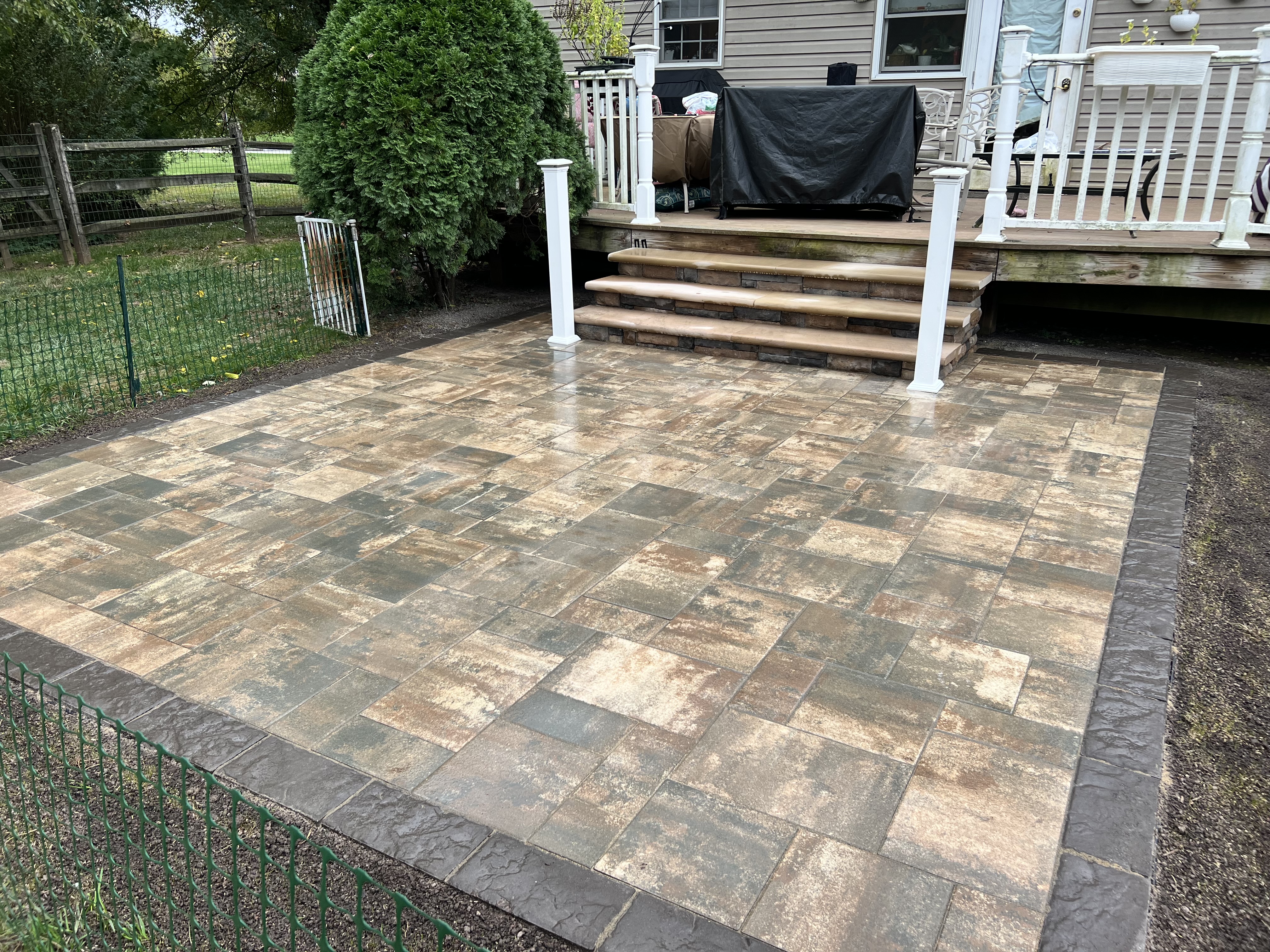
Step 1: Cleaning Patio Stains Properly
Stains are one of the most common patio problems. Before making repairs or sealing, thorough cleaning is essential.
Common Patio Stains
Oil and grease stains
Rust stains
Mold and mildew
Dirt and algae buildup
Leaf and organic stains
How to Clean Patio Stains
Sweep away loose debris.
Use a patio cleaner appropriate for your surface type.
Apply a degreaser for oil stains.
Scrub with a stiff-bristle brush.
Rinse thoroughly with water or use controlled pressure washing.
Avoid excessive pressure washing, as it can damage concrete and dislodge paver joint sand.
Regular patio cleaning prevents buildup that can cause long-term discoloration.
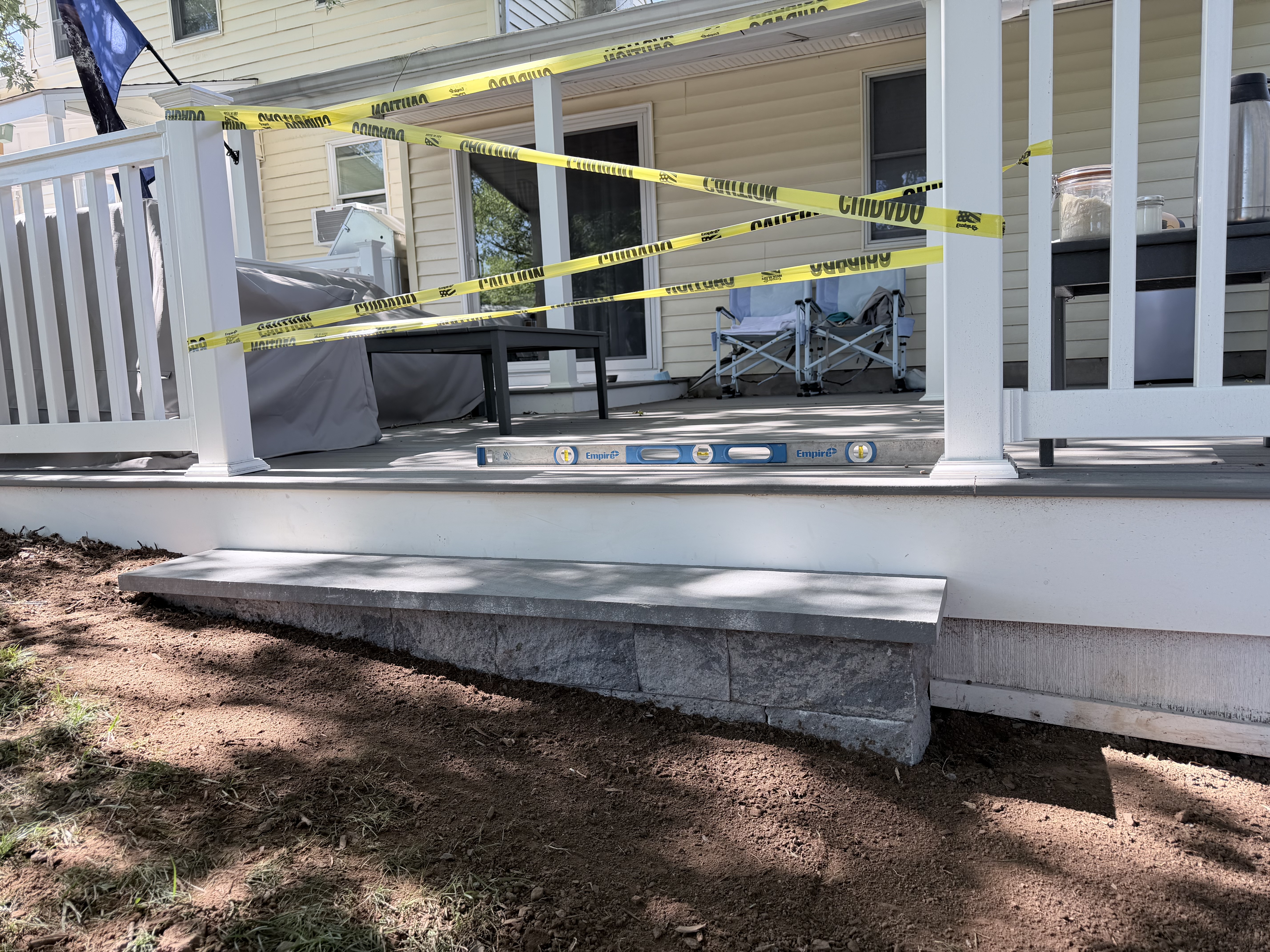
Step 2: Repairing Patio Cracks
Cracks not only look unattractive but can worsen over time due to water infiltration and temperature changes.
Concrete Patio Crack Repair
Clean out debris from cracks.
Use a concrete crack filler or patching compound.
Smooth the surface evenly.
Allow proper curing time before sealing.
Paver Patio Repairs
For paver patios:
Remove damaged pavers.
Re-level the base material.
Replace or reset pavers.
Refill joints with polymeric sand.
Addressing cracks early prevents larger structural issues.
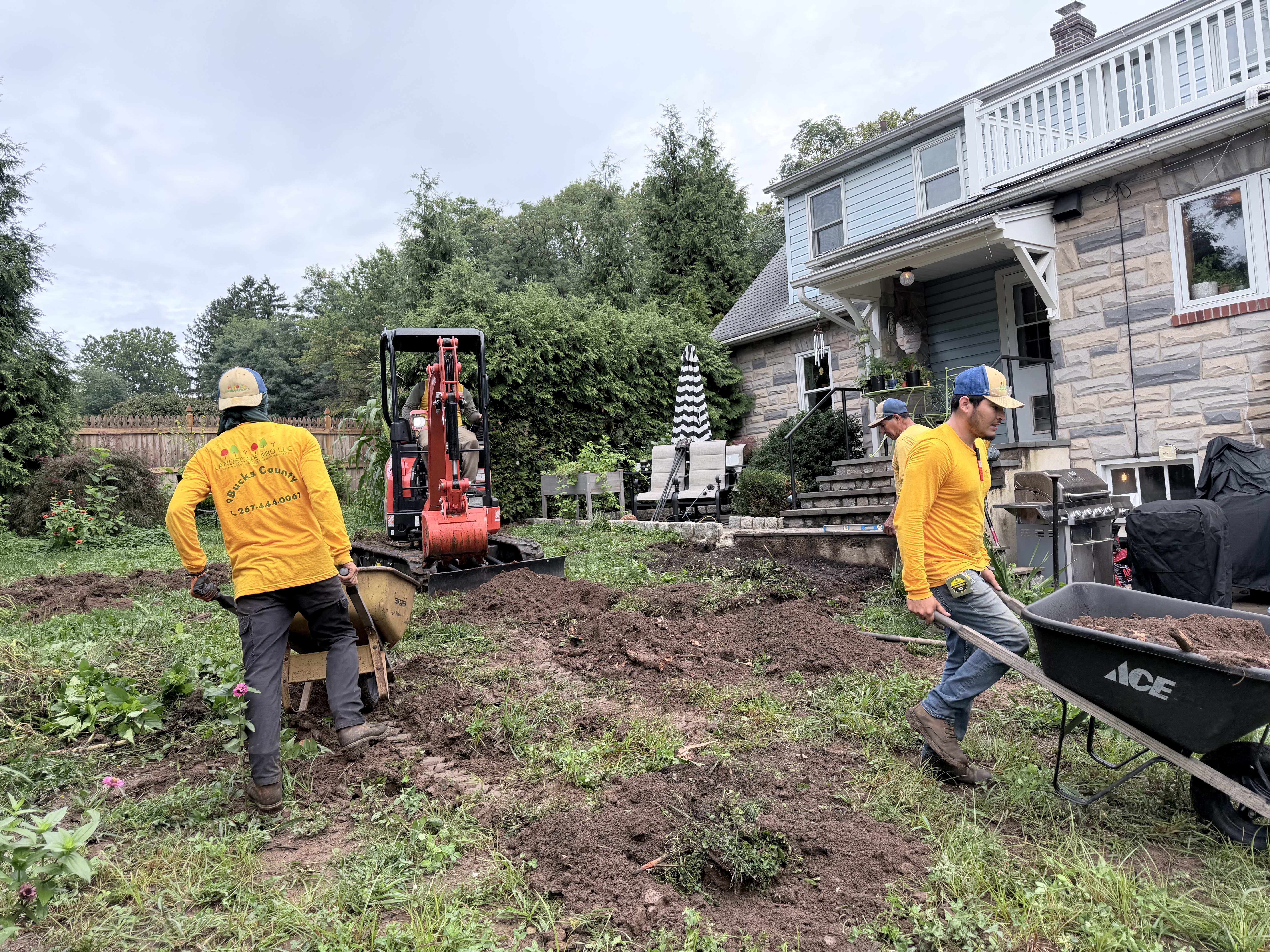
Step 3: Sealing Your Patio
Patio sealing is one of the most important parts of restoration. A high-quality patio sealer protects against:
Moisture penetration
Staining
Fading from UV exposure
Freeze-thaw damage
Weed growth
When to Seal a Patio
After cleaning and repairs
Every 2–3 years (depending on material and exposure)
Types of Patio Sealers
Penetrating sealers (best for natural stone)
Acrylic sealers (enhance color and provide surface protection)
Wet-look sealers (add gloss finish)
Sealing extends the lifespan of your patio and enhances its appearance.
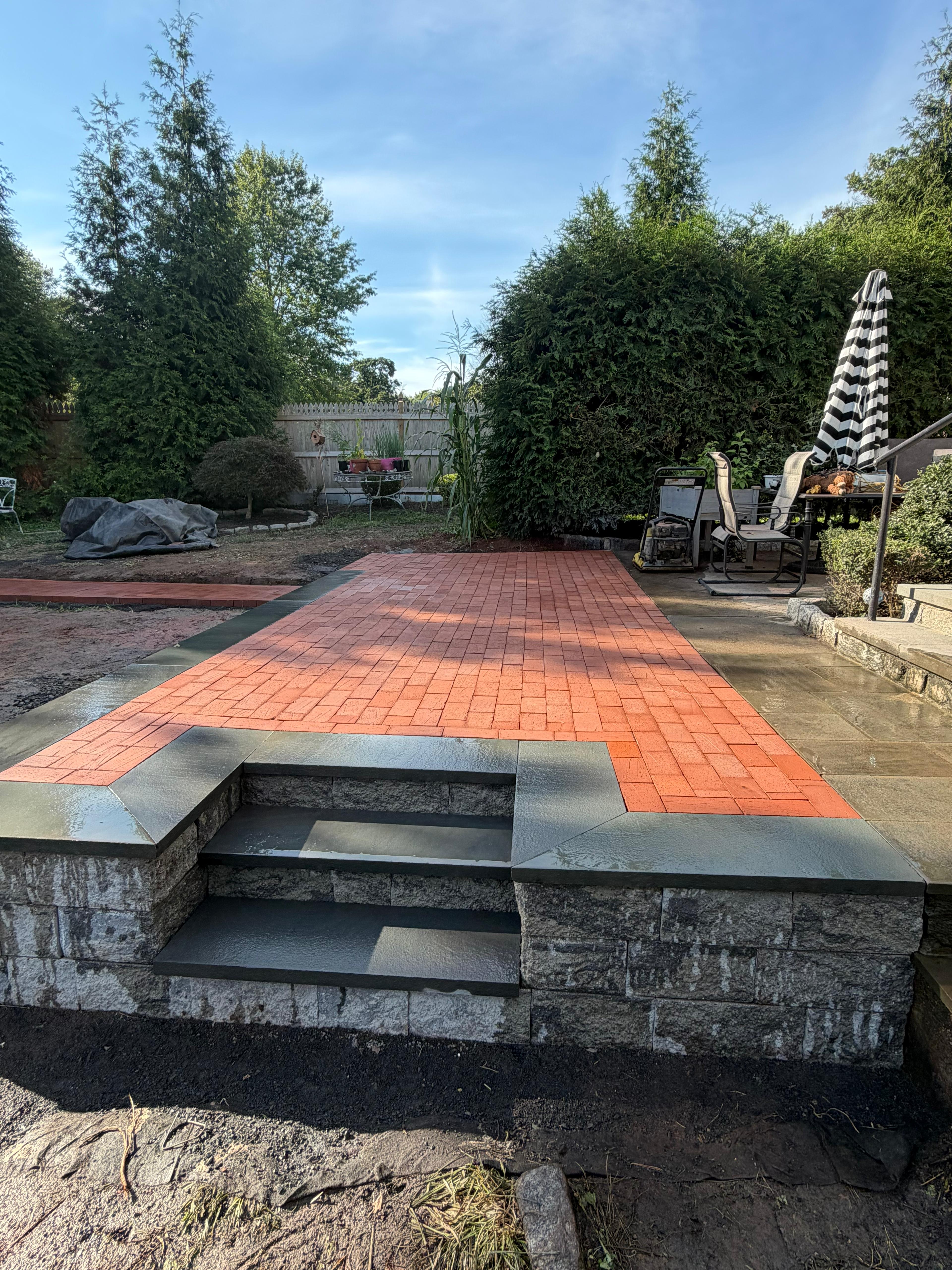
Preventing Future Patio Damage
Once restored, ongoing maintenance keeps your patio in excellent condition.
Maintenance tips:
Sweep regularly
Clean spills immediately
Inspect for cracks annually
Reapply joint sand when needed
Schedule resealing as recommended
Consistent patio maintenance reduces the need for major repairs.
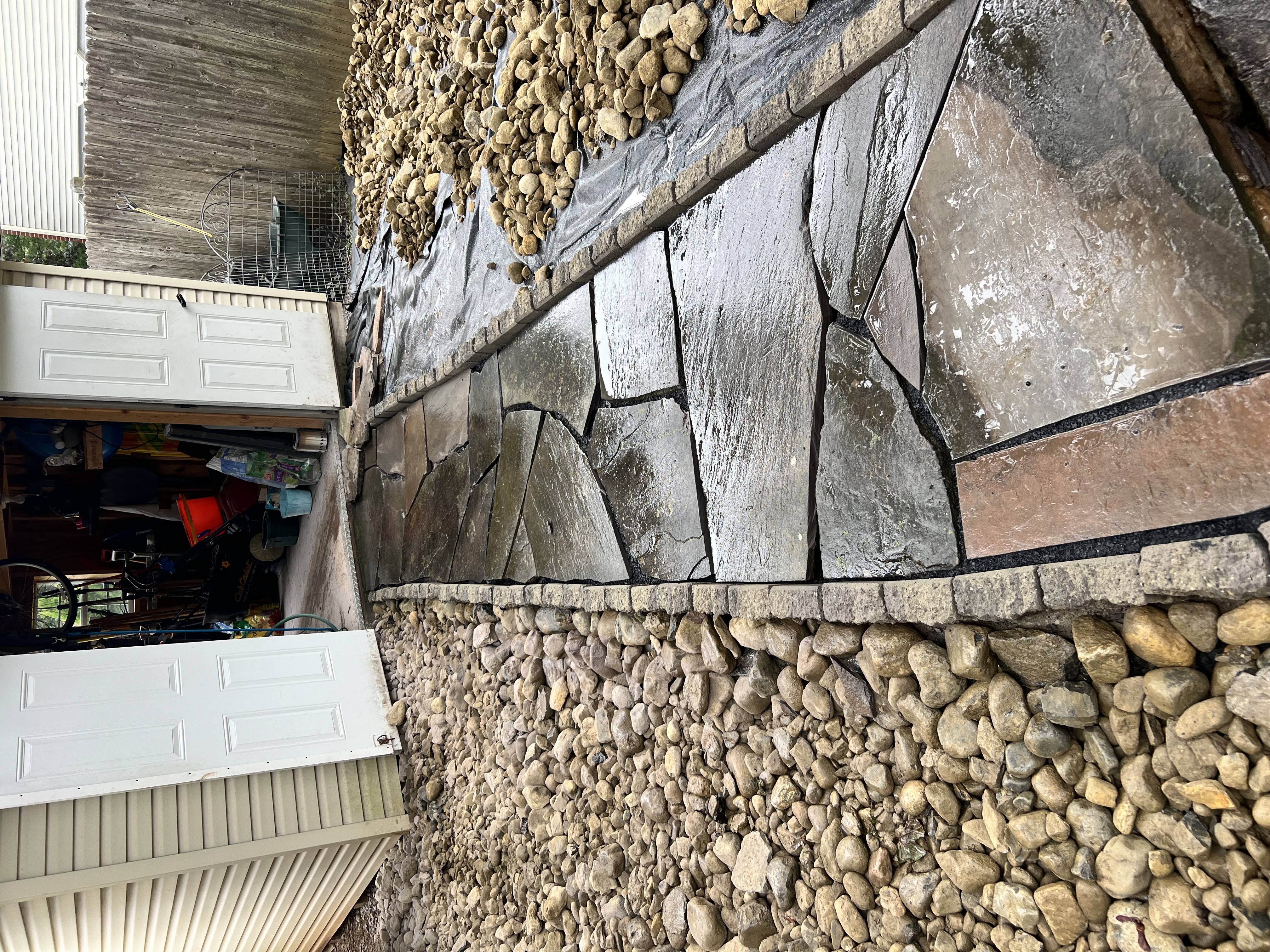
When to Hire a Professional Sidewalk and Patios Hardscaping Service
While small repairs can be DIY-friendly, professional sidewalk and patios hardscaping services are recommended when:
Cracks are widespread
Pavers are sinking
Drainage issues exist
Stains are deeply embedded
Structural repairs are required
Professionals have the tools and expertise to restore patios safely and efficiently.
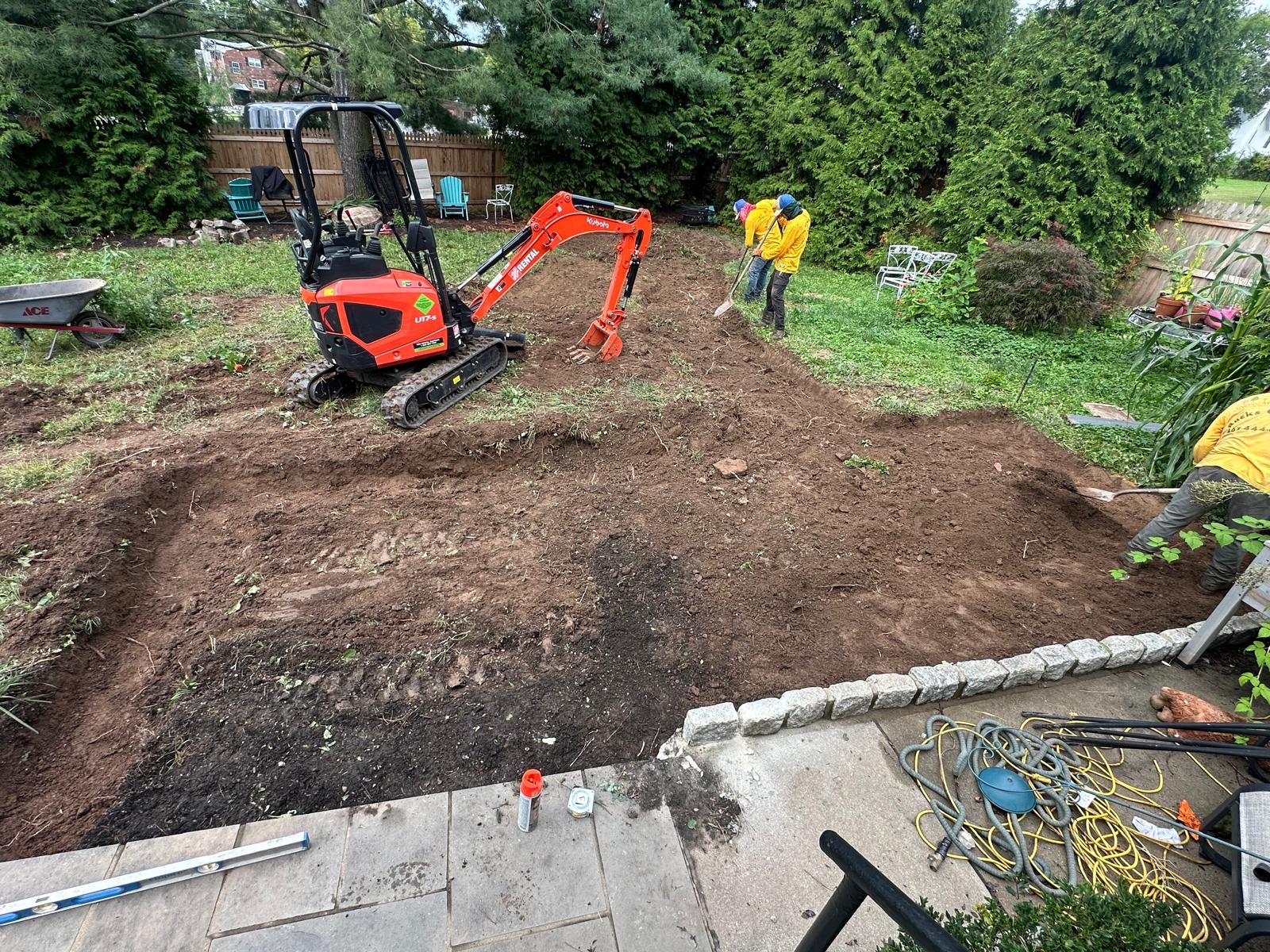
Patio Cleaning, Repair & Sealing Experts
Sidewalk and patios hardscaping involves more than surface cleaning—it includes repairing cracks, addressing structural issues, and sealing the surface for long-term durability. Whether you have a concrete patio, stone patio, or paver patio, regular maintenance protects your outdoor living space and preserves property value.
Landscape PRO LLC provides comprehensive sidewalk and patios hardscaping services including pressure washing, crack repair, paver leveling, and sealing.
To restore your outdoor living space professionally, contact us at (267) 444-0067 today.